


How Dust and Texas Heat Trigger Evaporative Dry Eye
How Dust and Texas Heat Trigger Evaporative Dry Eye
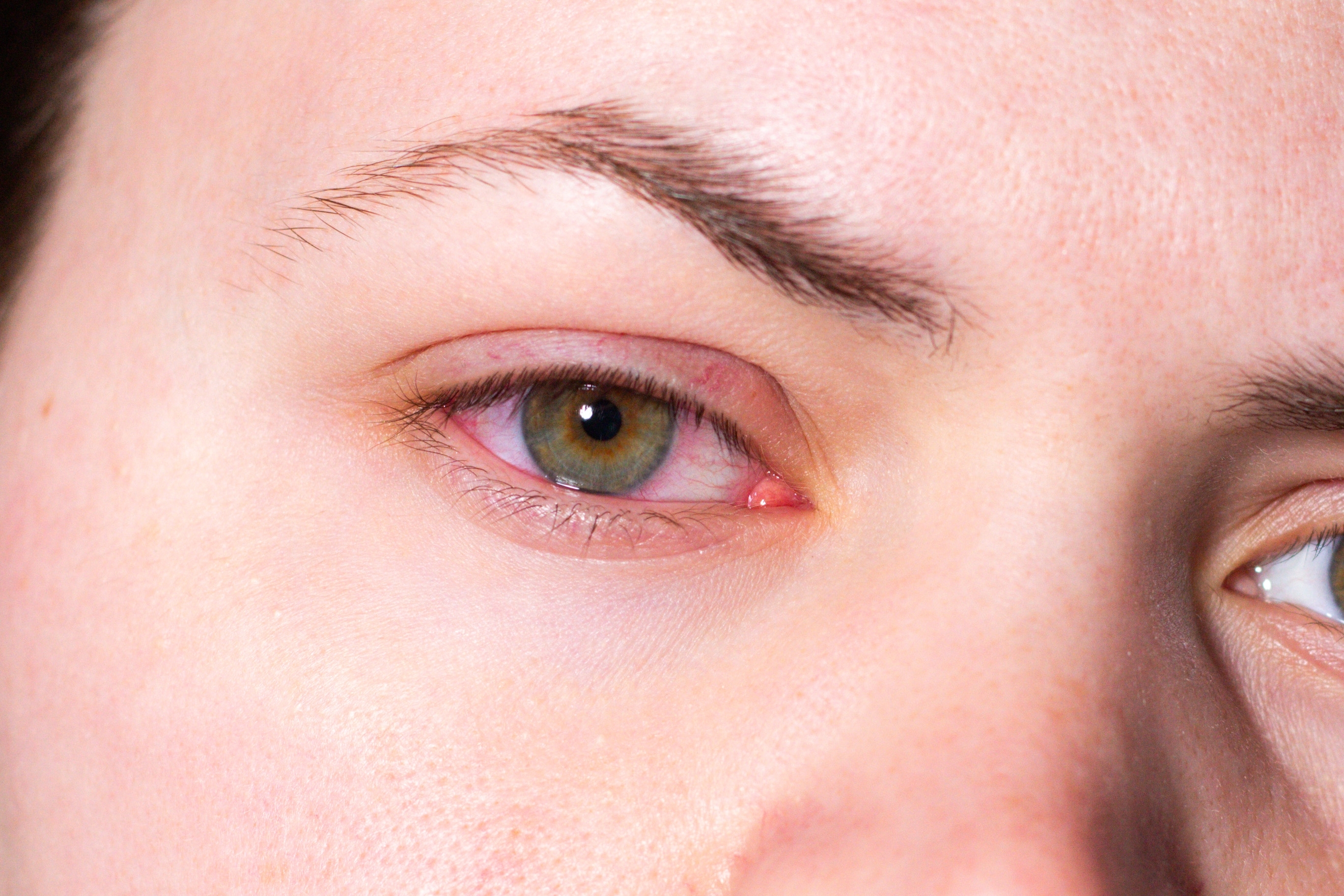
Hot, dusty weather is part of life in Seguin, but it can be especially uncomfortable for people with evaporative dry eye. This form of dry eye develops when tears disappear from the eye’s surface too quickly. The tear film normally includes an oily outer layer that slows evaporation and helps keep vision clear. When that protective layer is unstable, the eyes can become irritated, watery, or sensitive.
High temperatures, dry air, wind, and airborne particles can all place additional stress on the tear film. Moving between outdoor heat and strongly air-conditioned spaces may also make symptoms more noticeable.
How Dust Irritates the Eye Surface
Dust does more than create temporary discomfort. Small particles can settle on the eye’s surface and along the eyelids, leading to burning, itching, redness, and excessive watering. Rubbing the eyes may worsen irritation and can push debris across the cornea.
Dust exposure may be especially bothersome for people who already have meibomian gland dysfunction. These small glands along the eyelids produce oils that help prevent tears from evaporating too quickly. When the glands become blocked or do not release enough oil, the tear film may break apart faster.
Signs of Evaporative Dry Eye
Dry eye symptoms can vary throughout the day and may become worse after time outdoors, driving with air vents blowing toward the face, or working in an air-conditioned room. Common signs include:
• Burning, stinging, or gritty sensations
• Redness or frequent watering
• Fluctuating or blurry vision
• Sensitivity to light
• Contact lens discomfort
• Tired eyes that worsen later in the day
Watery eyes can still be a sign of dry eye. When the surface becomes irritated, the eyes may produce reflex tears, but these tears may not contain enough oil to remain stable.
Protecting Your Eyes During Texas Heat
Simple changes can reduce exposure and support a healthier tear film. Wear wraparound sunglasses outdoors to help block wind, dust, and UV rays. Avoid directing vehicle or ceiling fan airflow toward your eyes. Staying hydrated, taking breaks from digital screens, and blinking fully can also improve comfort.
Artificial tears may offer temporary relief, but not every eye drop is appropriate for every patient. Persistent symptoms should be evaluated before relying on frequent over-the-counter products. Our eye doctor can examine the eyelids, tear quality, eye surface, and other factors that may be contributing to discomfort.
When to Schedule a Dry Eye Evaluation
Dry eye can become more difficult to manage when irritation and inflammation continue. A comprehensive evaluation helps determine whether symptoms are related to tear evaporation, reduced tear production, eyelid inflammation, allergies, contact lenses, or another eye condition. Once the source is identified, treatment can be personalized to improve comfort and protect the ocular surface.
Schedule a dry eye evaluation with Texas State Optical Seguin to identify the cause of your symptoms and find personalized relief. Visit our office in Seguin, TX, or call (830) 310-6198 to book an appointment.
Quick Links
Helpful Articles
article_category: products
article_category: psychiatry
article_category: faqs
article_category: cats
article_category: general
article_category: services
article_category: technology
article_category: dogs
article_category: restorative
article_category: vision therapy
article_category: contact lenses
article_category: health
article_category: conditions
article_category: eye surgery co-management
article_category: exotic
article_category: cosmetic
article_category: surgical procedures
article_category: aesthetics
article_category: preventative
article_category: ocular disease management
article_category: eyeglasses
article_category: eye health
article_category: large animal
[]
article_category: psychiatry
article_category: faqs
article_category: cats
article_category: general
article_category: services
article_category: technology
article_category: dogs
article_category: restorative
article_category: vision therapy
article_category: contact lenses
article_category: health
article_category: conditions
article_category: eye surgery co-management
article_category: exotic
article_category: cosmetic
article_category: surgical procedures
article_category: aesthetics
article_category: preventative
article_category: ocular disease management
article_category: eyeglasses
article_category: eye health
article_category: large animal
[]
Flowbite is an open-source library of interactive components built on top of Tailwind CSS including buttons, dropdowns, modals, navbars, and more.
Check out this guide to learn how to get started and start developing websites even faster with components on top of Tailwind CSS.

All Eyecare Services
We offer a wide variety of eye care services to the Seguin community. Contact us with any questions about our services.

Keep In Touch
For non-urgent questions or to learn more about our services, contact us today!

Contact Information
Office Hours
- Monday 8:30 AM - 5:30 PM
- Tuesday 8:30 AM - 5:30 PM
- Wednesday 8:30 AM - 5:30 PM
- Thursday 8:30 AM - 5:30 PM
- Friday 8:00 AM - 2:00 PM
- Saturday Closed
- Sunday Closed
- Monday 9:00am - 6:00pm
- Tuesday 9:00am - 6:00pm
- Wednesday 9:00am - 6:00pm
- Thursday 9:00am - 6:00pm
- Friday 9:00am - 6:00pm
- Saturday 10:00am - 2:00pm
- Sunday Closed
- Monday 8:00am - 5:00pm
- Tuesday
- Wednesday
- Thursday
- Friday
- Saturday
- Sunday
© 2026 Texas State Optical Seguin. All rights Reserved - Accessibility Statement - Privacy Policy - Sitemap
Managed and Designed by 