


What Is the Most Common Eye Disease in Children?
What Is the Most Common Eye Disease in Children?
When it comes to children’s eye health, many parents are surprised to learn that vision problems are more common than they realize. Because kids often don’t know what “normal” vision should look like, eye conditions can go unnoticed for years without proper screening. Understanding the most common eye disease in children and why early detection matters can help protect your child’s vision and overall development.
The Most Common Eye Disease in Children: Amblyopia (Lazy Eye)
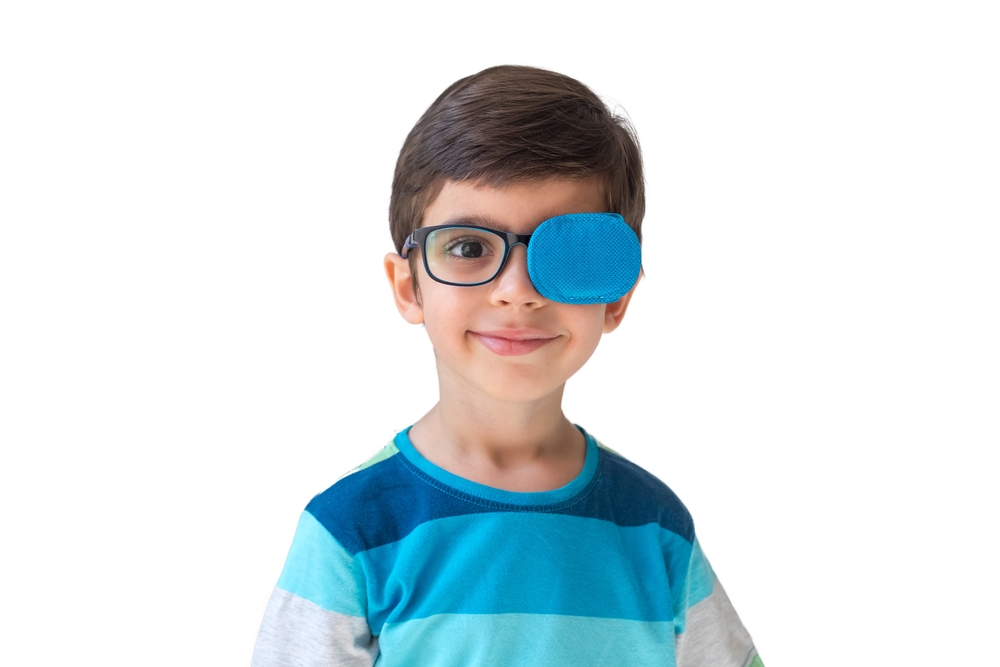
The most common eye disease affecting children is amblyopia, often referred to as “lazy eye.” Amblyopia occurs when one eye does not develop normal vision during early childhood. Even though the eye may appear healthy, the brain begins to favor the stronger eye, causing the weaker eye’s vision to worsen over time.
Amblyopia typically develops from birth through about age seven, when the visual system is still forming. If left untreated, it can lead to permanent vision loss in the affected eye. The condition is especially concerning because it often has no obvious symptoms - children may not complain of blurry vision or realize one eye isn’t seeing well.
What Causes Amblyopia?
Several underlying issues can lead to amblyopia. One of the most common causes is uncorrected refractive errors, such as nearsightedness, farsightedness, or astigmatism, especially when one eye sees significantly better than the other. Strabismus, or eye misalignment, is another frequent cause, as the brain may suppress input from the misaligned eye to avoid double vision. Less commonly, physical obstructions like congenital cataracts or droopy eyelids can interfere with normal vision development.
Other Common Childhood Eye Conditions
While amblyopia is the most common eye disease in children, other vision conditions are frequently diagnosed during pediatric eye exams. Refractive errors are extremely common and can affect a child’s ability to read, learn, and participate in activities. Strabismus may also appear on its own, causing eyes to cross or drift outward. Additionally, eye infections such as conjunctivitis (pink eye) can occur, though these are typically temporary and treatable.
Why Pediatric Eye Exams Are Essential
Because many childhood eye diseases develop without noticeable symptoms, routine pediatric eye exams are essential. Vision screenings at school or during pediatric visits can be helpful, but they do not replace a comprehensive eye exam performed by an eye care professional. A thorough exam can detect amblyopia and other vision issues early—when treatment is most effective.
Early intervention may include prescription glasses, eye patching, vision therapy, or other treatments tailored to your child’s needs. The sooner a condition is identified, the better the chances of restoring and preserving healthy vision.
When Should Children Have Their Eyes Examined?
Children should have their first comprehensive eye exam in early childhood, with follow-up exams as recommended by their eye doctor. Additional exams may be needed if a child shows signs of vision problems, struggles in school, squints frequently, or complains of headaches or eye strain.
Take the Next Step at Texas State Optical Seguin
Amblyopia is the most common eye disease in children, but it is also one of the most treatable - when caught early. Regular pediatric eye exams play a critical role in detecting vision problems before they interfere with learning, development, and quality of life.
At Texas State Optical Seguin, we are committed to supporting your child’s eye health at every stage of development. Schedule a pediatric eye exam to ensure your child’s vision is clear, healthy, and ready for the future. Visit our office in Seguin, Texas, or call (830) 310-6198 to book an appointment today.
Quick Links
Helpful Articles
article_category: products
article_category: psychiatry
article_category: faqs
article_category: cats
article_category: general
article_category: services
article_category: technology
article_category: dogs
article_category: restorative
article_category: vision therapy
article_category: contact lenses
article_category: health
article_category: conditions
article_category: eye surgery co-management
article_category: exotic
article_category: cosmetic
article_category: surgical procedures
article_category: aesthetics
article_category: preventative
article_category: ocular disease management
article_category: eyeglasses
article_category: eye health
article_category: large animal
[]
article_category: psychiatry
article_category: faqs
article_category: cats
article_category: general
article_category: services
article_category: technology
article_category: dogs
article_category: restorative
article_category: vision therapy
article_category: contact lenses
article_category: health
article_category: conditions
article_category: eye surgery co-management
article_category: exotic
article_category: cosmetic
article_category: surgical procedures
article_category: aesthetics
article_category: preventative
article_category: ocular disease management
article_category: eyeglasses
article_category: eye health
article_category: large animal
[]
Flowbite is an open-source library of interactive components built on top of Tailwind CSS including buttons, dropdowns, modals, navbars, and more.
Check out this guide to learn how to get started and start developing websites even faster with components on top of Tailwind CSS.

All Eyecare Services
We offer a wide variety of eye care services to the Seguin community. Contact us with any questions about our services.

Keep In Touch
For non-urgent questions or to learn more about our services, contact us today!

Contact Information
Office Hours
- Monday 8:30 AM - 5:30 PM
- Tuesday 8:30 AM - 5:30 PM
- Wednesday 8:30 AM - 5:30 PM
- Thursday 8:30 AM - 5:30 PM
- Friday 8:00 AM - 2:00 PM
- Saturday Closed
- Sunday Closed
- Monday 9:00am - 6:00pm
- Tuesday 9:00am - 6:00pm
- Wednesday 9:00am - 6:00pm
- Thursday 9:00am - 6:00pm
- Friday 9:00am - 6:00pm
- Saturday 10:00am - 2:00pm
- Sunday Closed
- Monday 8:00am - 5:00pm
- Tuesday
- Wednesday
- Thursday
- Friday
- Saturday
- Sunday
© 2026 Texas State Optical Seguin. All rights Reserved - Accessibility Statement - Privacy Policy - Sitemap
Managed and Designed by 